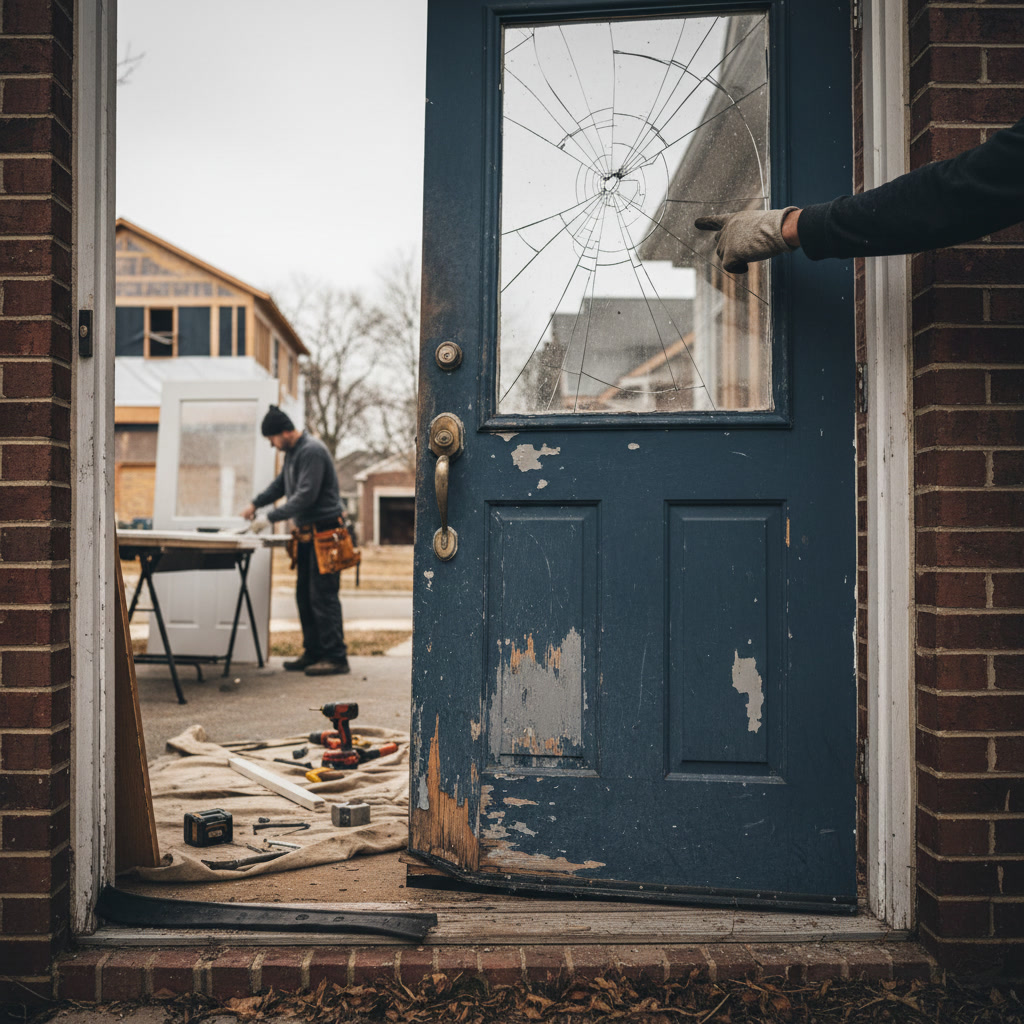
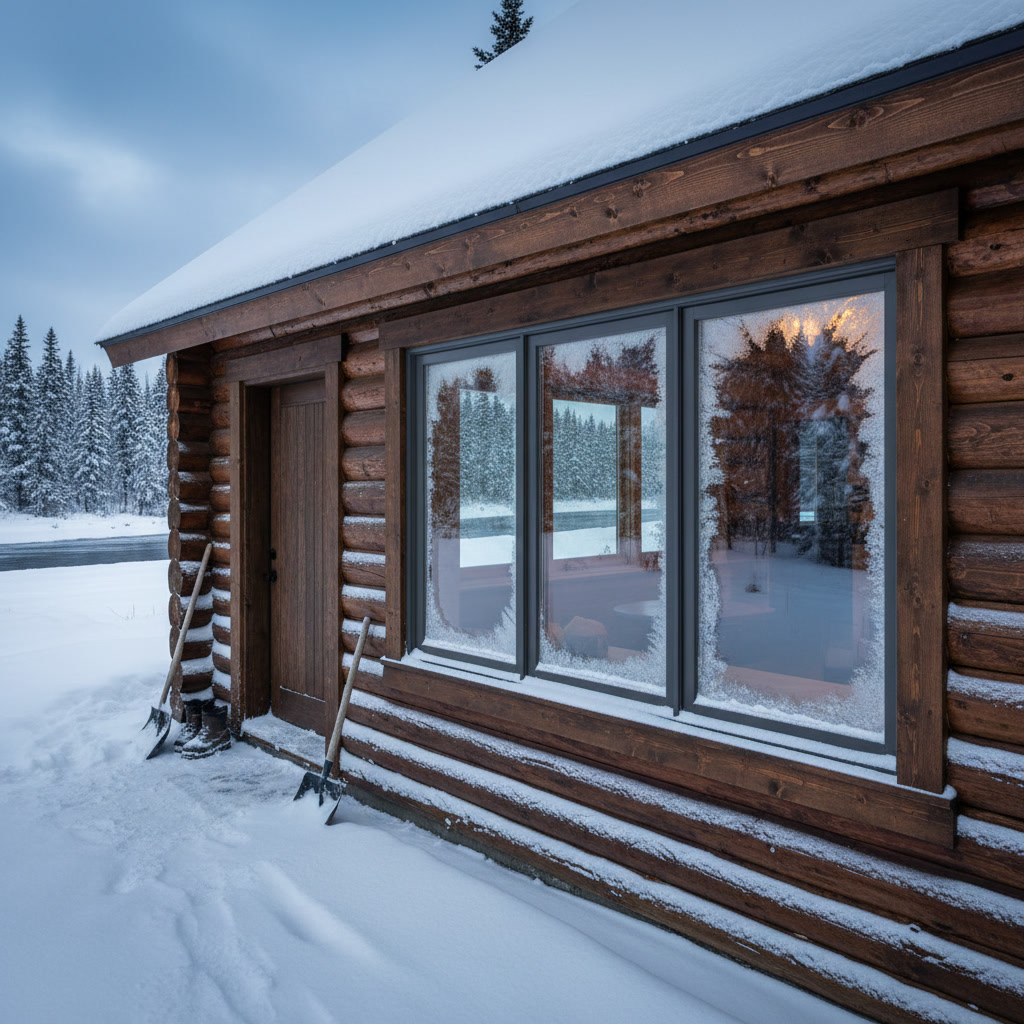
Eagle River winters are unforgiving. When temperatures drop to -20°F or lower and heating bills climb, your windows become either your home’s weakest link or its strongest defense. The difference between shivering through January and staying comfortable comes down to choosing the right windows built for Alaska’s brutal climate.
The right window replacement Eagle River homeowners select can cut heating costs by 25-30% and eliminate those icy drafts that make rooms unusable all winter. This guide breaks down exactly which window types perform best in extreme cold, what features matter most, and how to make a smart investment that pays back every heating season.
Why Eagle River Windows Face Unique Challenges
Eagle River’s location creates conditions that test every building material. Average January temperatures sit around 15°F, but cold snaps regularly push well below zero. Add wind chill from the valley’s exposure, and your windows face constant thermal stress.
Standard windows designed for milder climates fail here. Single-pane windows lose heat so fast they might as well be open. Even basic double-pane windows struggle when outside temperatures stay below freezing for weeks. Ice buildup on interior window edges, condensation that freezes overnight, and rooms that never warm up are all signs your windows can’t handle the load.
Alaska’s extreme temperature swings between day and night also cause expansion and contraction that can break seals and crack frames. Windows need to withstand these cycles hundreds of times per year without losing performance.
Triple-Pane Windows: The Gold Standard for Alaska
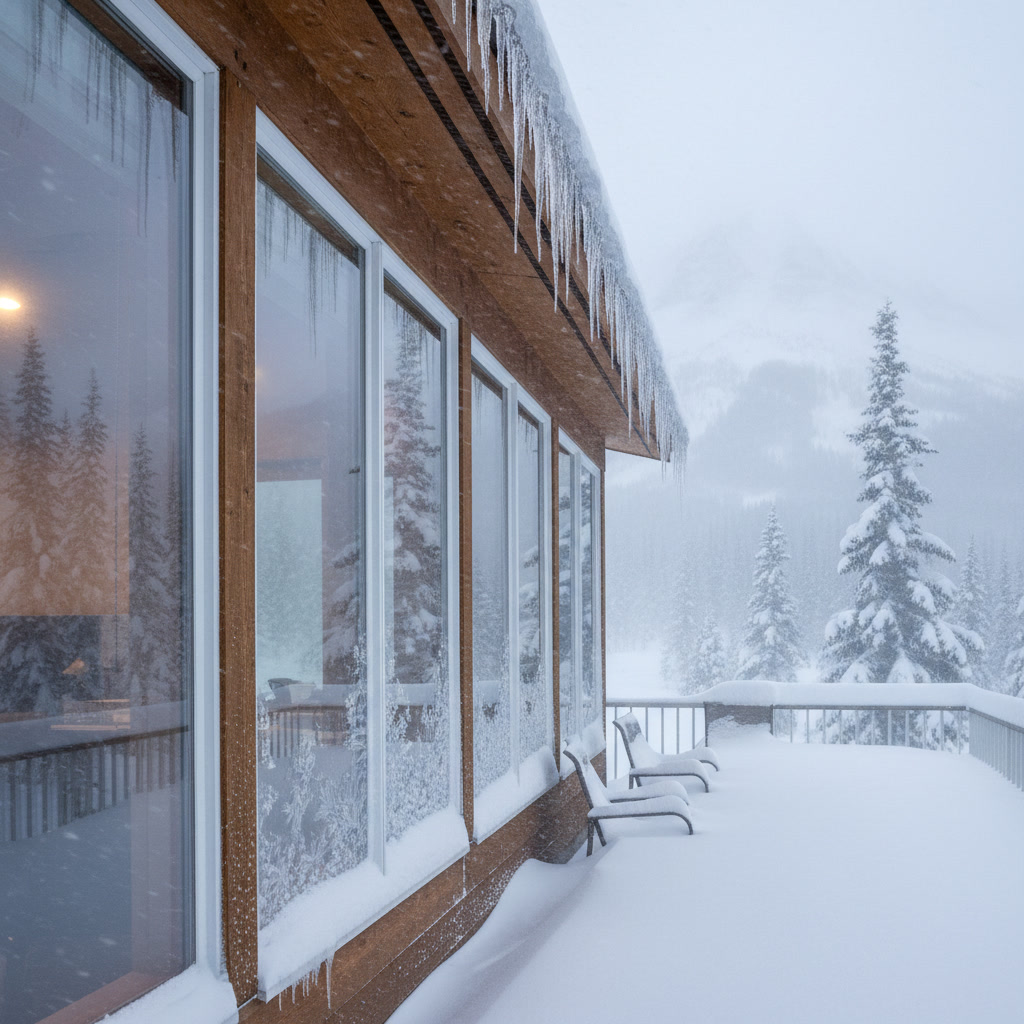
Triple-pane windows are not optional luxury items in Eagle River. They’re the baseline for serious energy efficiency. These windows use three layers of glass with two insulating air spaces between them, creating a thermal barrier that single and double-pane windows cannot match.
The R-value (resistance to heat flow) tells the story. Single-pane windows rate around R-1. Standard double-pane windows reach R-2 to R-3. Quality triple-pane windows achieve R-5 to R-7, more than double the insulation of basic double-pane units.
That difference translates directly to your heating bill. A typical Eagle River home with 15-20 windows can save $800-1,200 annually by upgrading from old double-pane to modern triple-pane windows. Over a 20-year lifespan, that’s $16,000-24,000 in savings.
Gas Fills Make Triple-Pane Windows Even Better
The spaces between glass panes in quality windows get filled with argon or krypton gas instead of regular air. These gases are denser than air and move heat more slowly, adding extra insulation without adding weight.
Argon fill is standard and affordable, improving insulation by about 15% over air. Krypton costs more but performs better in narrow spaces, making it ideal for triple-pane windows where space between panes is limited. For Eagle River’s climate, argon-filled triple-pane windows offer the best value.
Low-E Coatings Block Heat Transfer
Low-emissivity (Low-E) coatings are microscopically thin metallic layers applied to window glass. They reflect heat back into your home during winter while still letting visible light through.
For window replacement Eagle River projects, specify Low-E coatings designed for cold climates (Low-E2 or Low-E3). These coatings maximize heat retention while allowing solar gain during those short winter days when every bit of sunlight helps warm your home.
Frame Materials That Survive Alaska Weather
Glass is only half the equation. The frame material determines how well a window holds up to Eagle River’s freeze-thaw cycles, moisture, and temperature extremes.
Vinyl frames dominate the Alaska market for good reason. Quality vinyl doesn’t rot, never needs painting, and provides excellent insulation. Multi-chamber vinyl frames (with hollow sections divided into smaller chambers) resist heat flow better than solid materials. Look for fusion-welded corners rather than screwed joints, which can loosen over time.
Fiberglass frames cost 30-40% more than vinyl but last longer and handle temperature extremes even better. Fiberglass expands and contracts at nearly the same rate as glass, reducing seal stress. These frames can last 40-50 years in Alaska conditions compared to 20-30 years for vinyl.
Wood frames provide beautiful aesthetics but require regular maintenance in Alaska’s climate. Even treated wood needs repainting or refinishing every few years to prevent moisture damage. Wood-clad options (wood interior, vinyl or aluminum exterior) offer a compromise but still cost significantly more than vinyl.
Pro Tip: Avoid aluminum frames in Eagle River. Metal conducts heat rapidly, creating condensation and frost on the interior frame even with good glass. Aluminum frames belong in warm climates, not Alaska.
Window Styles That Minimize Air Leakage
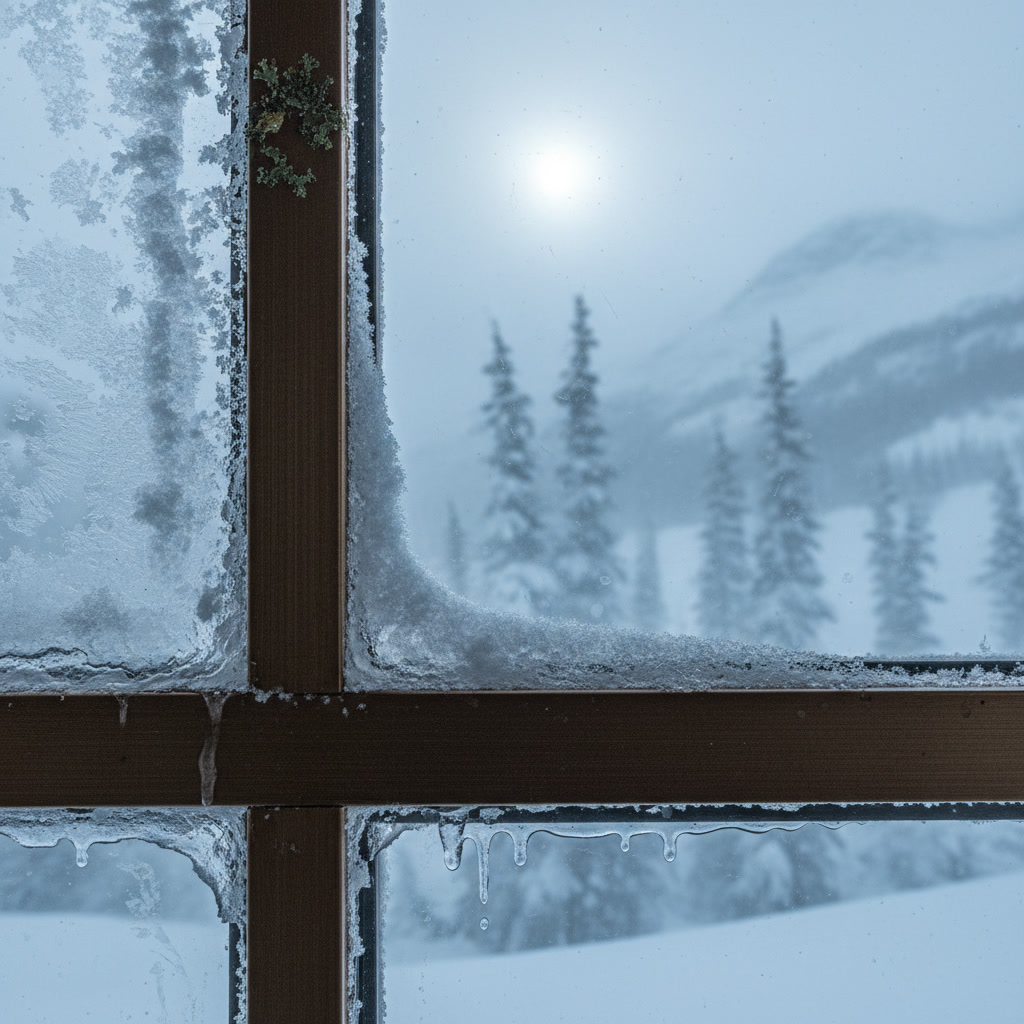
Even the best glass and frame combination fails if air leaks around the sash. Window style affects how tightly it seals against Alaska winds.
Casement windows (hinged on one side, swing open) create the tightest seal. When you crank them closed, the sash compresses against the frame around the entire perimeter. Wind pressure actually pushes them tighter against the seal. For bedrooms and living areas where air leakage matters most, casements deliver top performance.
Fixed (non-opening) windows seal even better since they have no moving parts. Use them for large view windows or wherever ventilation isn’t needed. Picture windows and large fixed units cost less per square foot than operating windows and lose less heat.
Double-hung windows (both sashes slide up and down) are Eagle River’s most popular style because they’re familiar and functional. Modern double-hung windows with quality weatherstripping perform reasonably well, but they’ll never seal as tightly as casements. The two sliding sashes create more potential leak points.
Sliding windows share the same limitation. They work fine for Alaska homes but should include multiple weatherstrip contact points and tight-fitting locks that compress the sash against the frame when closed.
Installation Quality Matters as Much as Window Quality
The best windows in the world fail if installed poorly. Installation gaps account for up to 30% of window-related heat loss in cold climates.
Proper installation in Eagle River requires more than setting the window in the rough opening. The gap between window frame and house framing must be completely sealed with low-expansion spray foam designed for windows. Regular expanding foam can bow frames and break seals.
The exterior needs weatherproof flashing and sealant that remains flexible in extreme cold. Many caulks crack at temperatures below -10°F. Professional installers use cold-weather sealants rated to -40°F or lower.
Interior air sealing is equally critical. The gap between window frame and drywall must be sealed with caulk or foam. Even a tiny air path lets warm, humid indoor air reach cold surfaces where it condenses and freezes.
For window replacement Eagle River homeowners can trust, work with installers who understand Alaska-specific requirements and warranty their work through at least one full winter season.
Energy Star Ratings and What They Mean for Alaska
Energy Star labels help identify efficient windows, but not all Energy Star windows work equally well in every climate. The program defines four climate zones, and Eagle River falls into the Northern zone.
Look for windows certified for the Northern climate zone. These windows meet stricter standards for heat retention (U-factor of 0.27 or lower and Solar Heat Gain Coefficient of any value). The U-factor measures how well a window prevents heat from escaping, and lower numbers are better.
Top-performing windows for Eagle River achieve U-factors of 0.17-0.20. These windows lose barely one-fifth as much heat as single-pane units (U-factor around 1.0). The difference shows up immediately in comfort and heating costs.
Solar Heat Gain Coefficient (SHGC) measures how much solar heat passes through. In cold climates, higher SHGC is better because you want free solar heating during winter days. Look for SHGC values of 0.40 or higher on south-facing windows.
Return on Investment for Window Replacement
Window replacement Eagle River projects represent significant investments, typically $800-1,400 per window including installation. For a typical home with 15-20 windows, total costs run $12,000-28,000.
Energy savings alone usually don’t justify replacement if your current windows are less than 20 years old and in decent shape. But if you’re dealing with rotted frames, broken seals, condensation between panes, or drafty old single-pane windows, replacement pays back faster.
Calculate your payback by dividing total project cost by annual energy savings. If you spend $18,000 and save $900 annually on heating, payback takes 20 years. That’s about the expected lifespan of quality vinyl windows, so you’ll roughly break even on energy costs alone.
The real value comes from improved comfort, noise reduction, easier operation, better curb appeal, and increased home value. Real estate appraisers in Alaska typically assign $5,000-15,000 of added value to homes with recent quality window upgrades.
Best Window Brands for Eagle River Conditions
Several window manufacturers produce models designed specifically for extreme cold climates. Integrity from Marvin offers fiberglass frames with excellent cold-weather performance and strong warranties. Pella 250 Series vinyl windows provide good value with solid energy ratings.
Alpen High Performance Windows specializes in extreme-climate products with some of the highest R-values available. Their triple-pane units reach R-10 or higher but cost significantly more than standard options.
Local availability matters in Alaska. Choose brands with established dealer networks and service support in the Anchorage area. You don’t want to wait months for replacement parts or warranty service.
TC Home Services works with multiple manufacturers to match the right windows to each home’s needs and budget. Different rooms often benefit from different window specs. South-facing living rooms might prioritize solar gain, while north-facing bedrooms need maximum insulation.
Key Takeaway: The best window for Eagle River combines triple-pane glass with low-E coating and gas fill, vinyl or fiberglass frames with fusion-welded corners, tight-sealing operation style, and professional installation with Alaska-rated sealants. This combination delivers R-5 to R-7 insulation that keeps homes comfortable and energy bills manageable.
Frequently Asked Questions
How much do triple-pane windows cost compared to double-pane in Eagle River?
Triple-pane windows typically cost 25-35% more than comparable double-pane windows. For Eagle River homes, expect to pay $800-1,400 per window installed for quality triple-pane units versus $600-1,000 for double-pane. The energy savings and comfort improvement justify the extra cost in Alaska’s climate within 10-15 years.
Can I replace just a few windows or should I do the whole house?
You can replace windows individually, but tackling all windows at once often saves 15-20% on labor costs compared to multiple small projects. If budget requires phasing the project, prioritize north-facing windows and rooms where you spend the most time. These upgrades deliver the biggest immediate comfort improvement.
What window warranty coverage should I look for in Alaska?
Quality window manufacturers offer lifetime warranties on frames and 20-year warranties on glass seal failure. Read the fine print about what’s covered and whether labor is included. Some warranties cover parts only, leaving you to pay installation costs if something fails. Look for warranties that specifically cover use in Alaska’s extreme climate zones.
Do I need special permits to replace windows in Eagle River?
Window replacement using the same size rough opening typically requires only a building permit, not full plan review. The Municipality of Anchorage (which includes Eagle River) requires permits for most window work to ensure proper installation and energy compliance. Your contractor should handle permit applications and inspections.
How long does window replacement take for a typical Eagle River home?
Professional installers typically complete 8-12 windows per day. A whole-house project with 15-20 windows usually takes two to three days. Each window stays open for only 30-45 minutes during installation, minimizing heat loss. Most companies avoid scheduling installation during the coldest months (December-February) when possible.
Making the Right Choice for Your Home
The window types that perform best in Eagle River winter conditions are triple-pane units with low-E coatings and gas fills, vinyl or fiberglass frames, and casement or fixed styles for critical areas. Proper installation with cold-weather materials is essential to achieve the energy efficiency these windows promise.
If your windows show condensation, ice buildup, drafts, or are more than 20 years old, replacement will improve comfort and reduce energy costs significantly. TC Home Services provides professional window replacement Eagle River residents trust, with experience in Alaska’s unique climate requirements.
Contact TC Home Services at +19072807906 to schedule a free assessment. We’ll evaluate your current windows, recommend the best options for your home and budget, and provide detailed estimates for window replacement throughout Anchorage, Eagle River, and surrounding Alaska communities.