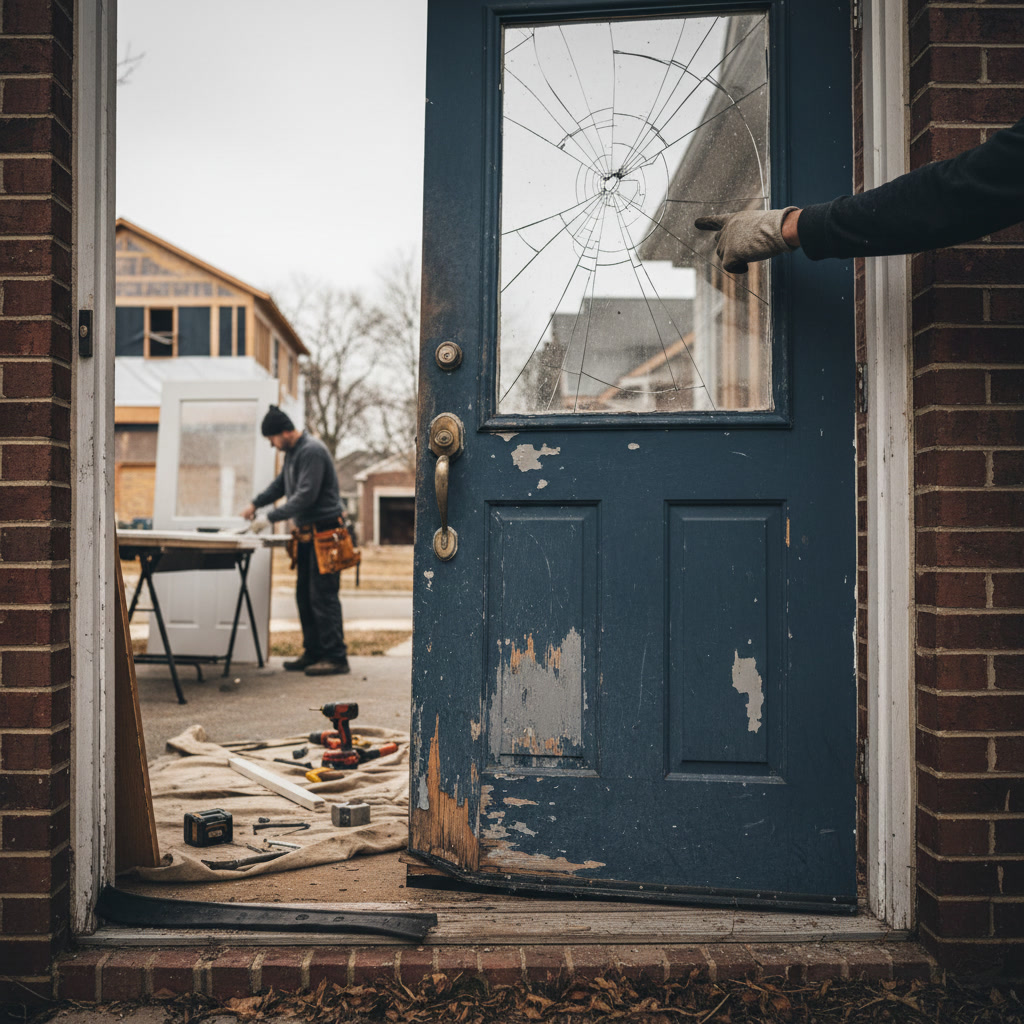
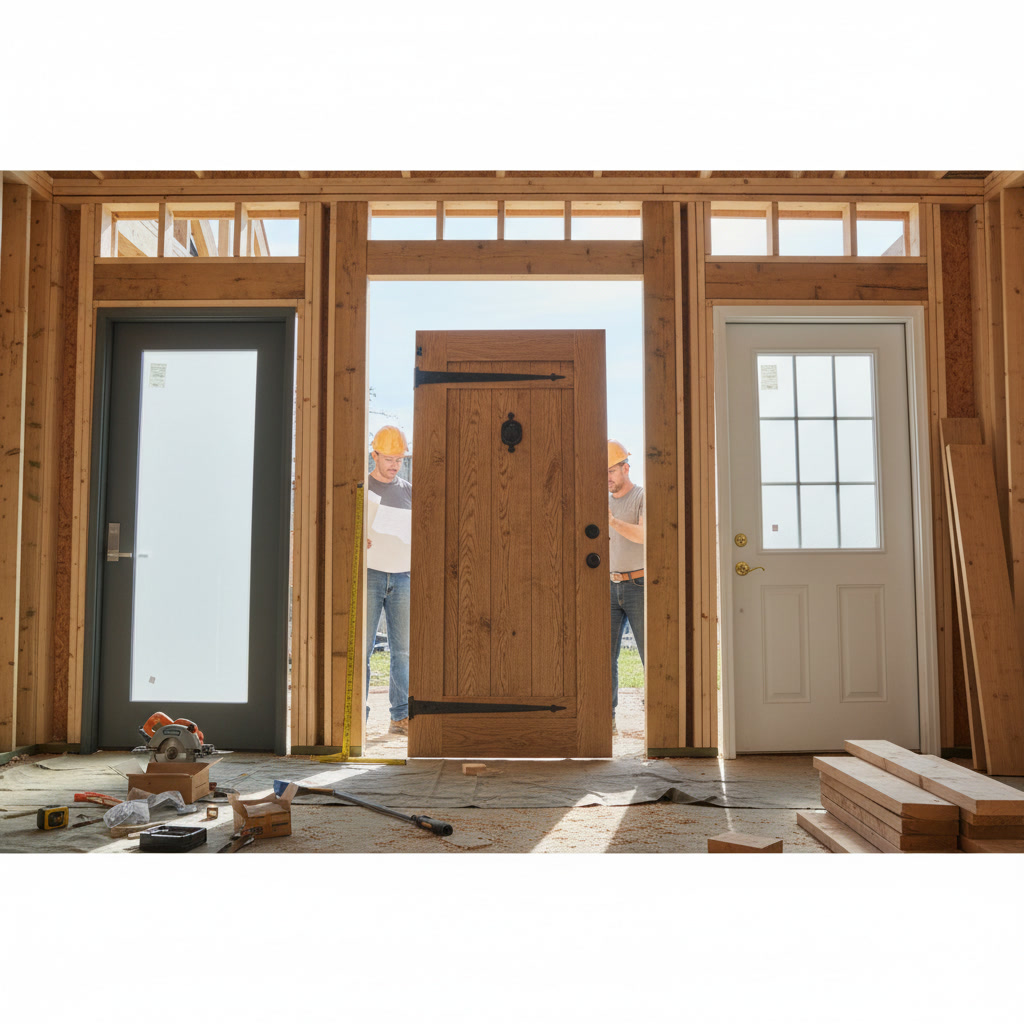
The right door style enhances your home’s curb appeal, improves energy efficiency, and supports the architectural character of your property. Choosing a door that matches your home’s design requires understanding architectural styles, material options, and how entry points interact with your overall exterior aesthetic. When you choose door style carefully, you invest in both function and visual harmony that can last decades.
Why Door Style Matters More Than You Think
Your front door creates the first impression visitors have of your home. Beyond aesthetics, the door you select affects insulation performance, security, maintenance requirements, and resale value. A Colonial home with a sleek modern door looks mismatched, just as a Craftsman bungalow loses charm with the wrong entry. Material choice impacts durability in Alaska’s climate, where temperature swings and moisture demand doors built to withstand harsh conditions.
Understanding Your Home’s Architectural Style
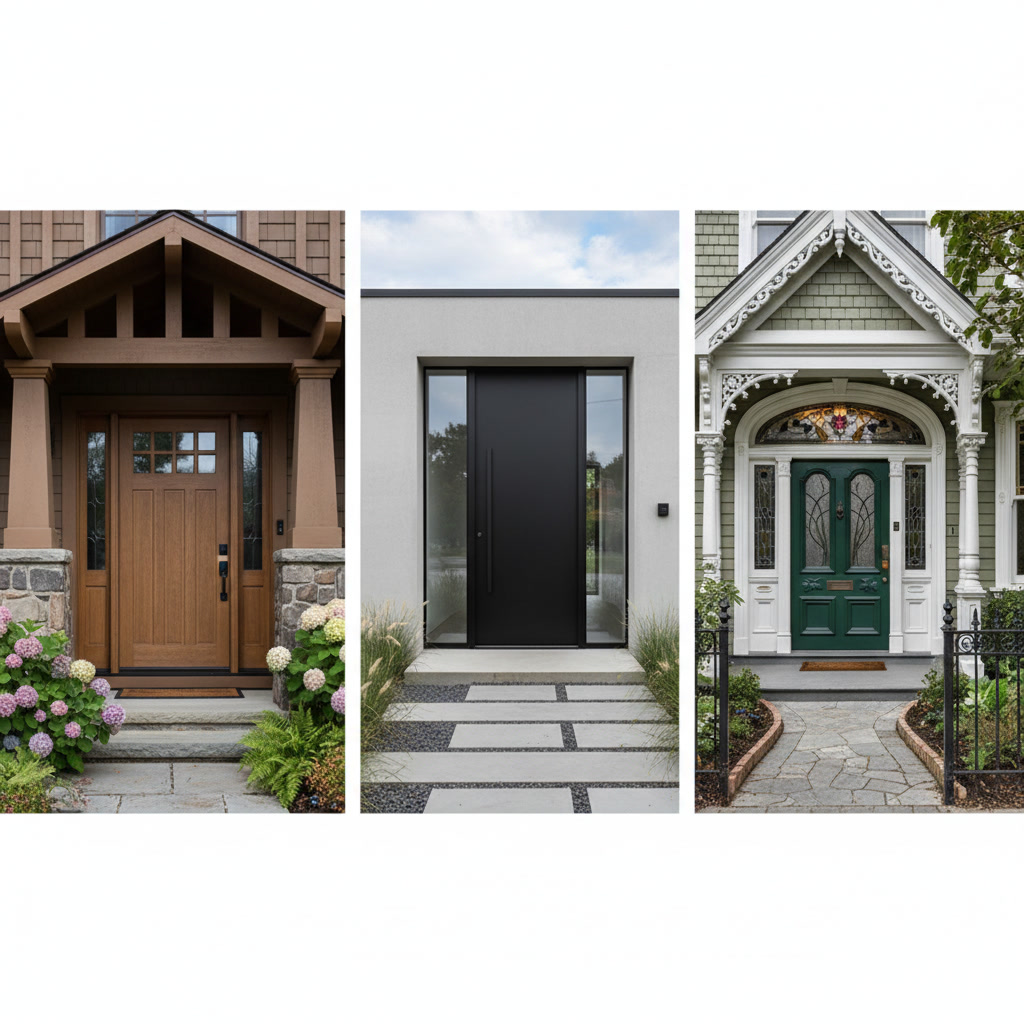
Before shopping for a new door, identify your home’s architectural category. Ranch homes typically feature simple, horizontal lines and benefit from clean, understated doors with minimal ornamentation. Cape Cod and Colonial styles call for paneled wood or wood-look doors, often with symmetrical glass lites arranged in traditional patterns. Craftsman and bungalow homes pair well with doors featuring natural wood grain, decorative glass, and sturdy hardware that reflects handcrafted quality.
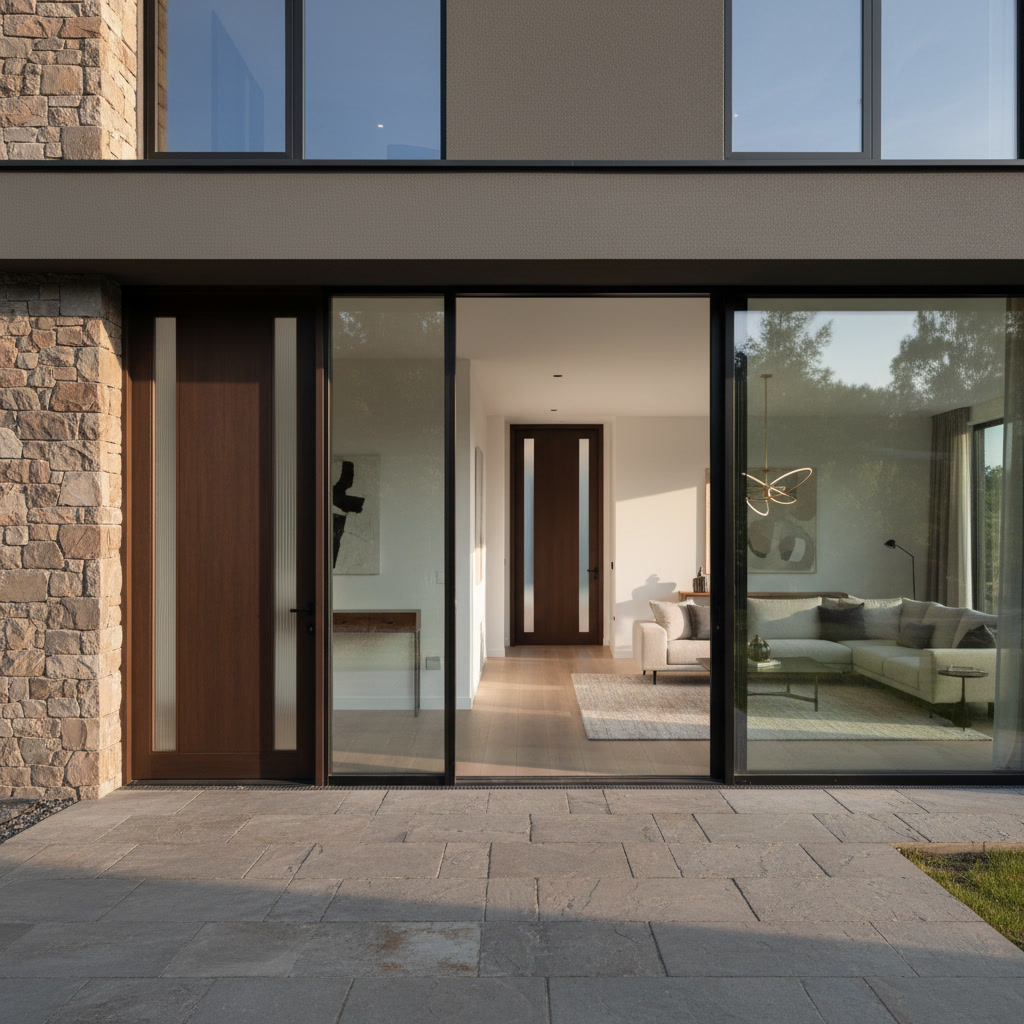
Contemporary and modern homes demand doors with flush surfaces, geometric glass inserts, and materials like fiberglass or steel in bold colors. Log and rustic cabin styles need heavy timber or knotty wood doors that emphasize natural texture. Identifying your home’s design language helps narrow the field and prevents costly mismatches.
Material Choices and Performance in Anchorage Climates
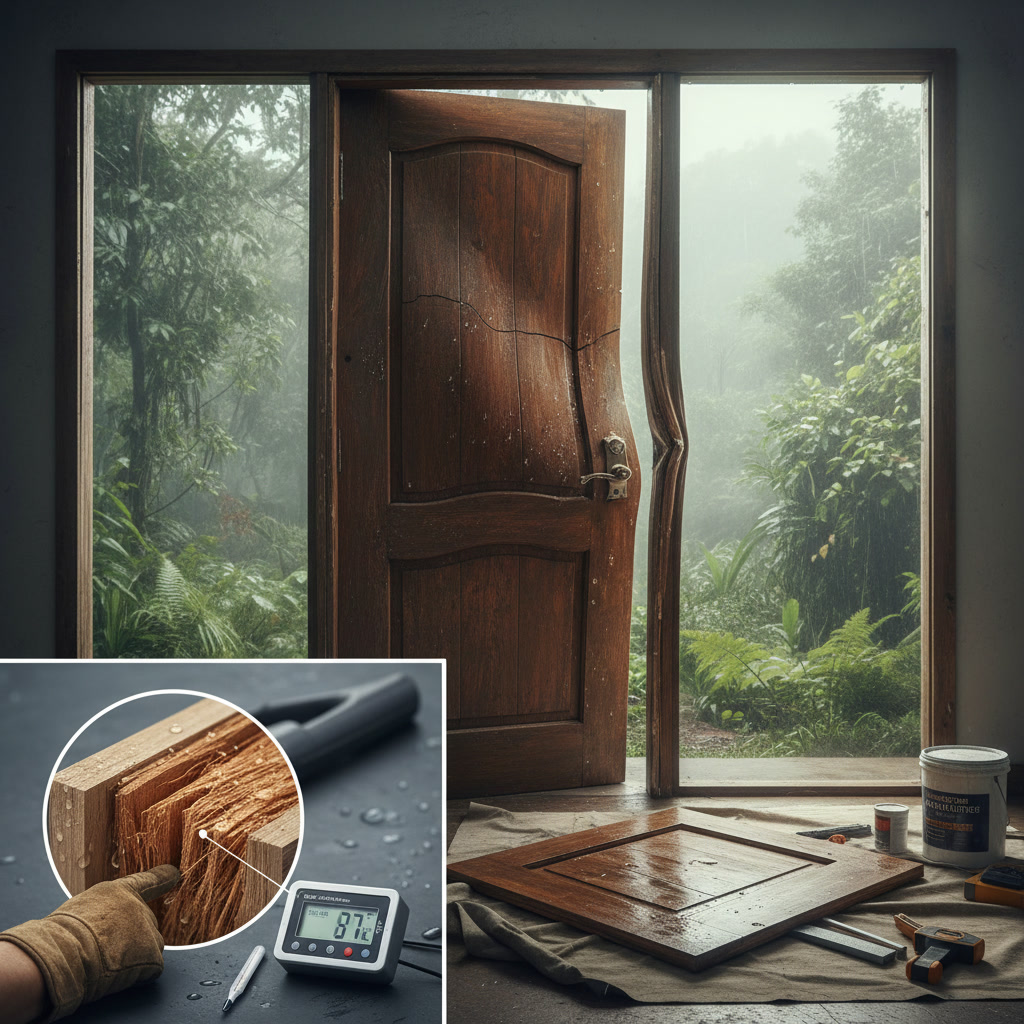
Wood doors offer unmatched beauty and traditional appeal but require regular maintenance to prevent warping, cracking, and moisture damage. In Anchorage and surrounding areas, where winter temperatures plunge and summer humidity fluctuates, untreated wood can fail within a few years. Fiberglass doors mimic wood grain convincingly while resisting weather damage, insects, and rot. They insulate well and hold paint or stain for years with minimal upkeep.
Steel doors provide maximum security and energy efficiency at a lower price point. They dent more easily than fiberglass but offer superior resistance to forced entry. For door installation and repair projects, selecting materials that match both your architectural style and Alaska’s demanding climate ensures longevity and performance.
Panel Configurations and Design Details
Panel layout defines the character of your door. Six-panel doors suit Colonial, Federal, and traditional homes, offering symmetry and classic proportions. Single-panel or flat doors work best for modern and contemporary designs, where simplicity and clean lines dominate. Craftsman-style doors often feature a smaller panel at the top and larger panels below, sometimes with decorative glass in the upper section.
Raised panels create shadow lines and depth, lending formality and elegance. Flat or recessed panels appear more casual and understated. The right panel configuration reinforces your home’s architectural intent rather than fighting against it.
Glass Inserts and Light Transmission
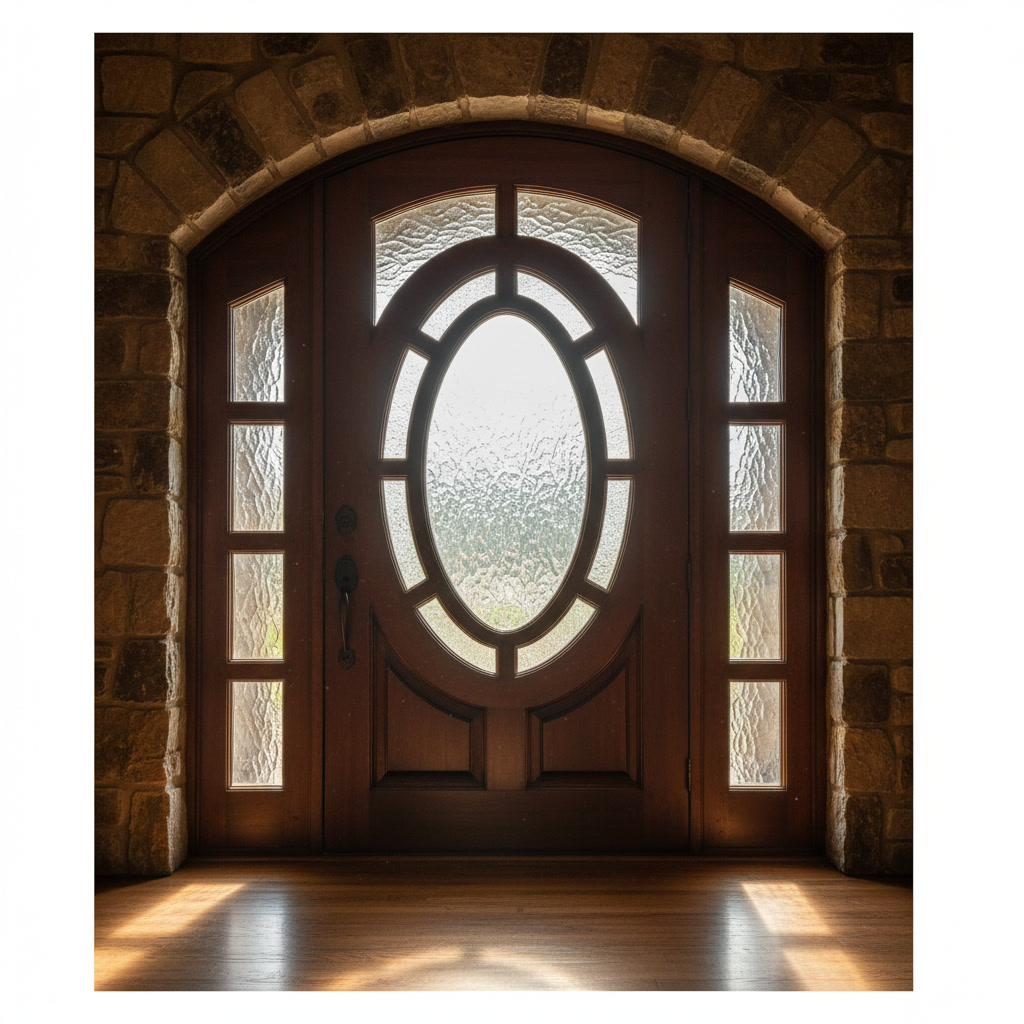
Glass allows natural light into your entryway while offering decorative opportunities. Full-lite doors feature a single large pane, ideal for modern homes or when maximizing light is a priority. Half-lite and three-quarter-lite designs balance privacy with brightness, common in transitional and traditional styles. Sidelites and transoms expand the glass area without compromising door security.
Decorative glass options include clear, frosted, textured, beveled, and leaded patterns. Traditional homes benefit from beveled or leaded designs, while contemporary homes favor frosted or clear geometric patterns. Privacy glass obscures views without blocking light, useful for homes close to sidewalks or neighboring properties.
Color and Finish Selection
Door color impacts curb appeal dramatically. Traditional homes often use colors drawn from historical palettes: deep reds, forest greens, navy blues, and classic blacks. Modern homes embrace bold hues like burnt orange, charcoal gray, or even bright yellow to create focal points. Natural wood stains work beautifully on Craftsman, rustic, and lodge-style homes, highlighting grain and texture.
When selecting color, consider your home’s siding, trim, and roof. The door should complement these elements without blending in completely. A door that contrasts subtly with siding draws the eye and defines the entry without clashing. Matte finishes suit traditional and rustic styles, while gloss finishes enhance modern and contemporary designs.
Hardware and Accessories That Complete the Look
Hardware style must align with your door and architecture. Traditional homes call for brass, bronze, or oil-rubbed finishes in classic shapes. Modern homes pair well with stainless steel, chrome, or matte black hardware with minimalist profiles. Craftsman styles benefit from hammered or hand-forged looks that emphasize artisan quality.
Door handles, locksets, hinges, and kickplates should match in finish and style. Decorative elements like door knockers, mail slots, and address numbers add personality when chosen thoughtfully. Oversized or ornate hardware on a simple door looks out of place, just as delicate hardware on a heavy timber door appears inadequate.
Matching Interior and Exterior Door Styles
Interior doors should reflect the same design principles as your exterior entry. If your front door features raised panels, interior doors with similar profiles maintain continuity. Modern homes with flush exterior doors benefit from clean, flat interior doors. Consistent hardware finishes throughout the home create visual flow and cohesion.
When planning home maintenance and repairs, coordinating door styles room by room prevents a patchwork appearance. Interior doors also impact resale value and buyer perception, making cohesive design a smart investment.
Common Door Style Mistakes to Avoid
Choosing a door based solely on price or availability often leads to regret. A cheap door that clashes with your home’s architecture reduces curb appeal and may cost more long-term in energy loss and repairs. Ignoring climate considerations results in premature failure, especially in Alaska’s temperature extremes.
Another mistake is neglecting to measure your doorway correctly for door replacement, which can lead to installation problems and additional costs. Overlooking hardware quality or selecting finishes that don’t match your home’s style weakens the overall impact. Finally, failing to consider how your door interacts with surrounding elements like windows, trim, and landscaping creates visual discord.
Energy Efficiency and Insulation Standards
Alaska homeowners need doors with high insulation values to combat heat loss. Look for doors with U-factors below 0.30 and Energy Star certification for northern climates. Polyurethane foam cores provide superior insulation compared to polystyrene. Weatherstripping quality matters as much as the door itself, preventing drafts around edges and thresholds.
Triple-pane glass inserts outperform single-pane options in energy retention. Magnetic weatherstripping creates tighter seals than compression types and lasts longer in freezing conditions. Investing in energy-efficient doors reduces heating costs and improves comfort, especially important in areas like Anchorage where winter heating bills climb fast.
Making the Right Choice for Your Home
Start by photographing your home’s exterior from multiple angles. Collect images of doors that appeal to you and identify common themes in style, color, and material. Visit showrooms to see doors in person, noting how finishes and textures look under natural light. Consult professionals who understand how doors perform in Alaska’s climate and can recommend options that balance aesthetics with durability.
Review your budget realistically, factoring in installation costs and long-term maintenance. A higher upfront investment in quality materials and professional installation often saves money over the door’s lifespan. If you notice signs your current exterior door needs replacement, addressing the issue promptly with the right style choice prevents further energy loss and security risks.
Selecting a door style that honors your home’s architecture while meeting functional needs creates lasting value and satisfaction. The right combination of material, design, color, and hardware transforms your entryway into a welcoming focal point that reflects both your taste and your home’s character. TC Home Services brings expertise in matching door styles to architectural requirements, ensuring installations that enhance both beauty and performance across Alaska’s unique building landscape.
If you’re ready to upgrade your entry with a door that complements your home’s design and stands up to Alaska’s climate, our team is here to guide you through every decision. From material selection to professional installation, we handle the details so you get results that last. Reach out to TC Home Services at (907) 720-2662 to discuss your project and schedule a consultation.