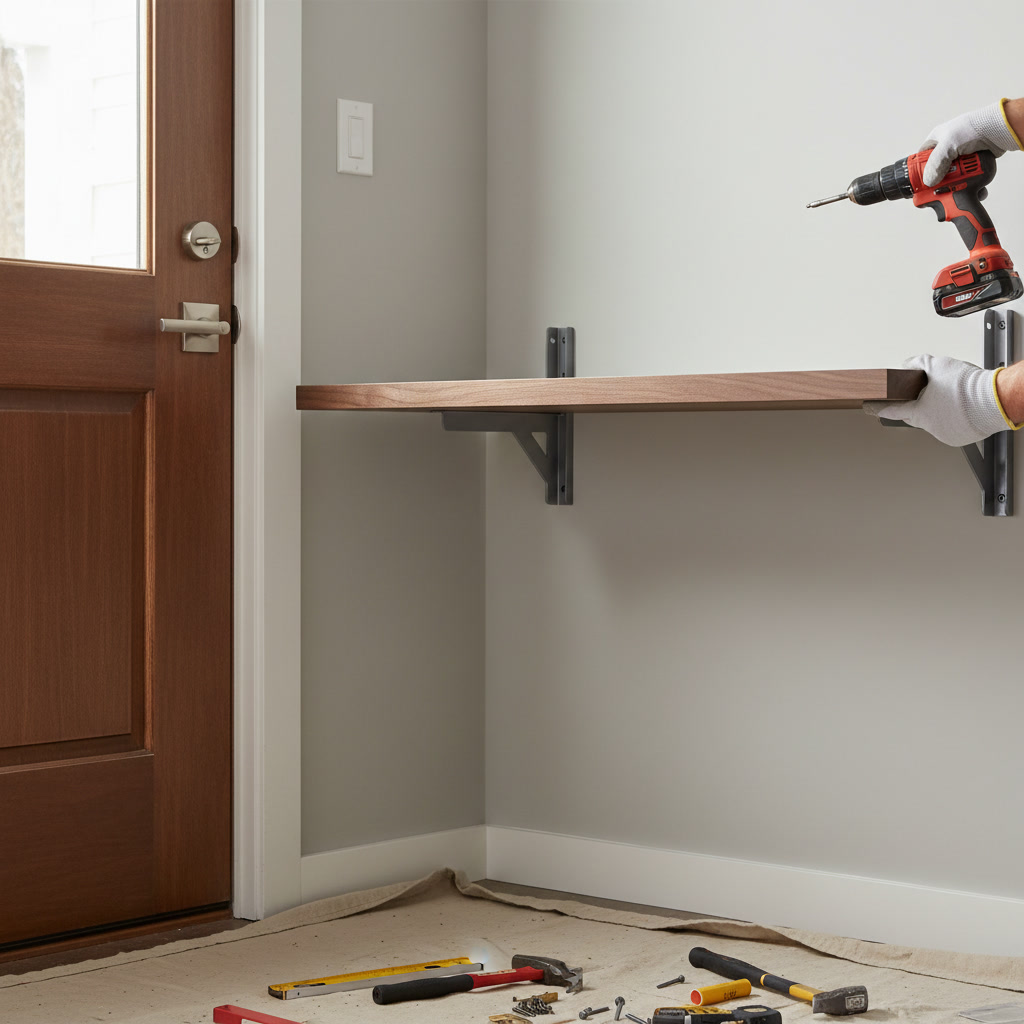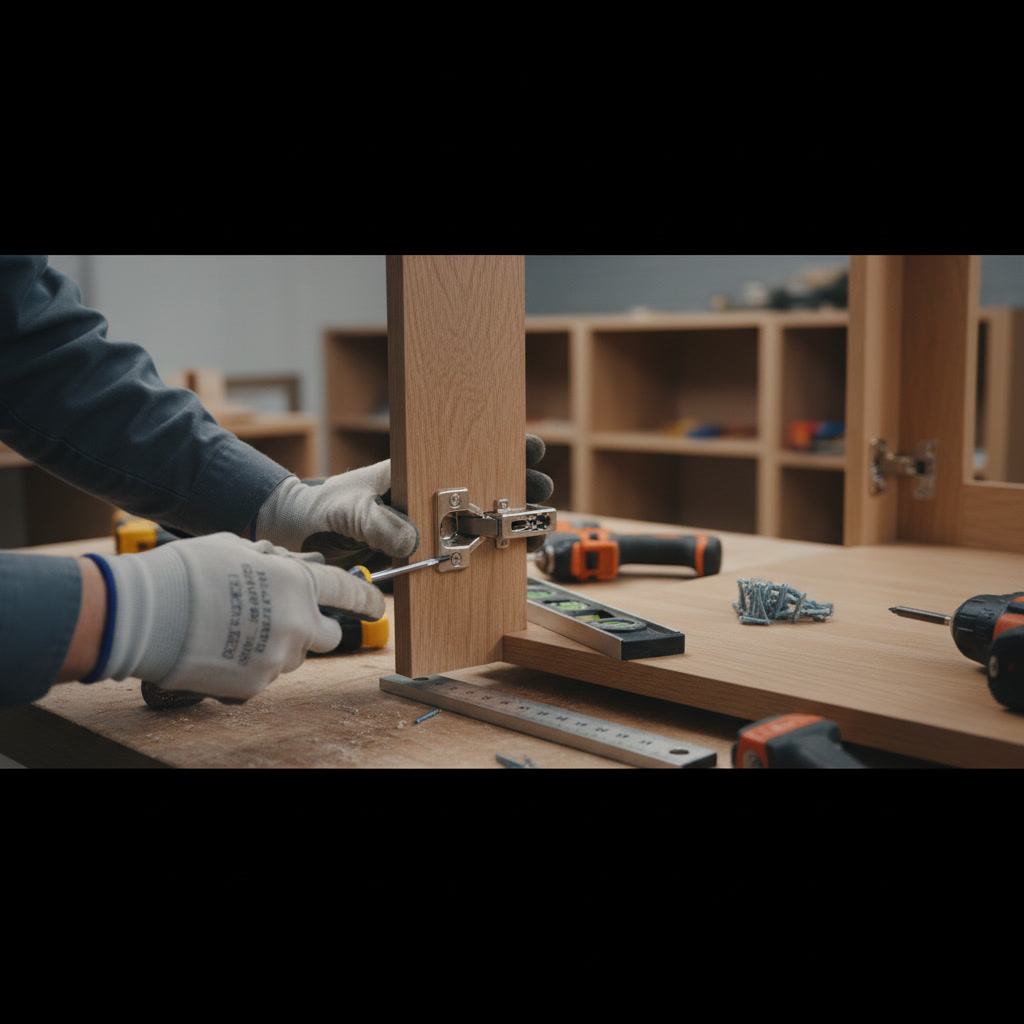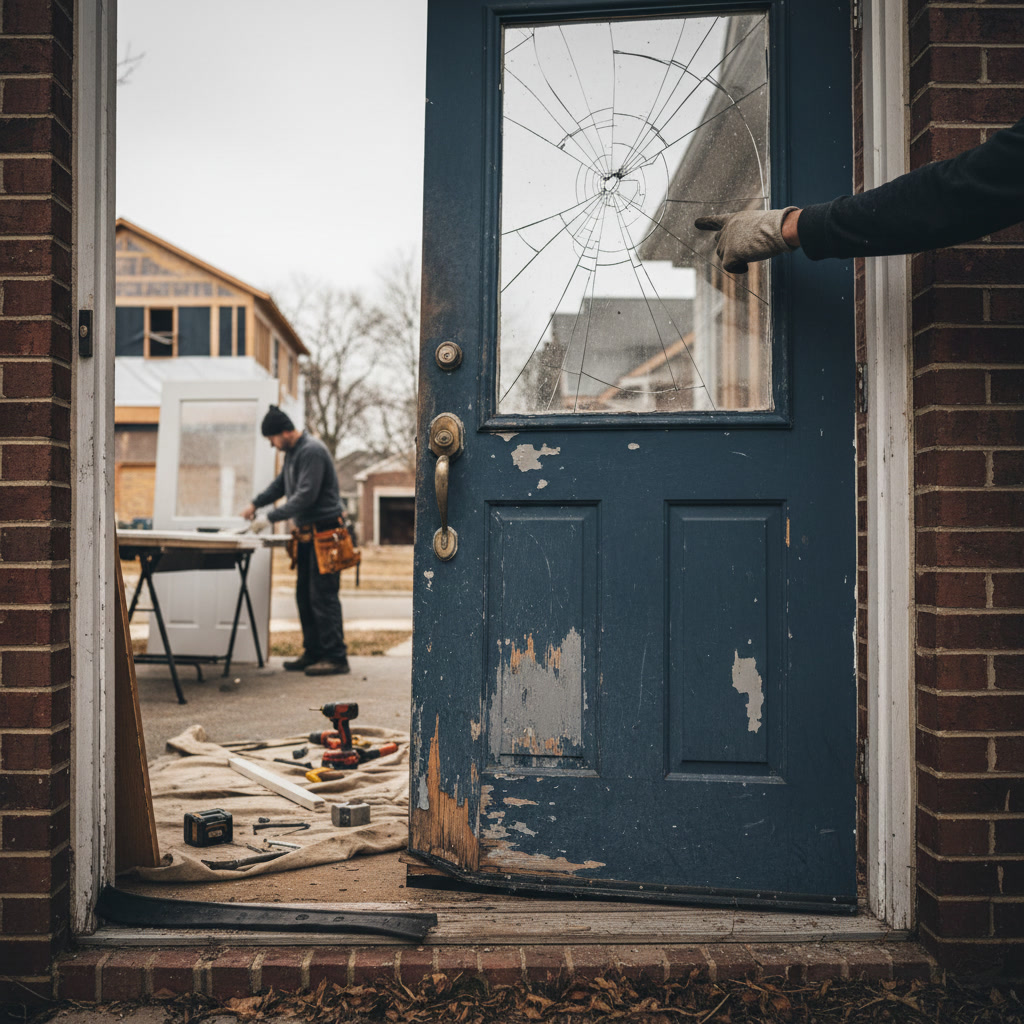
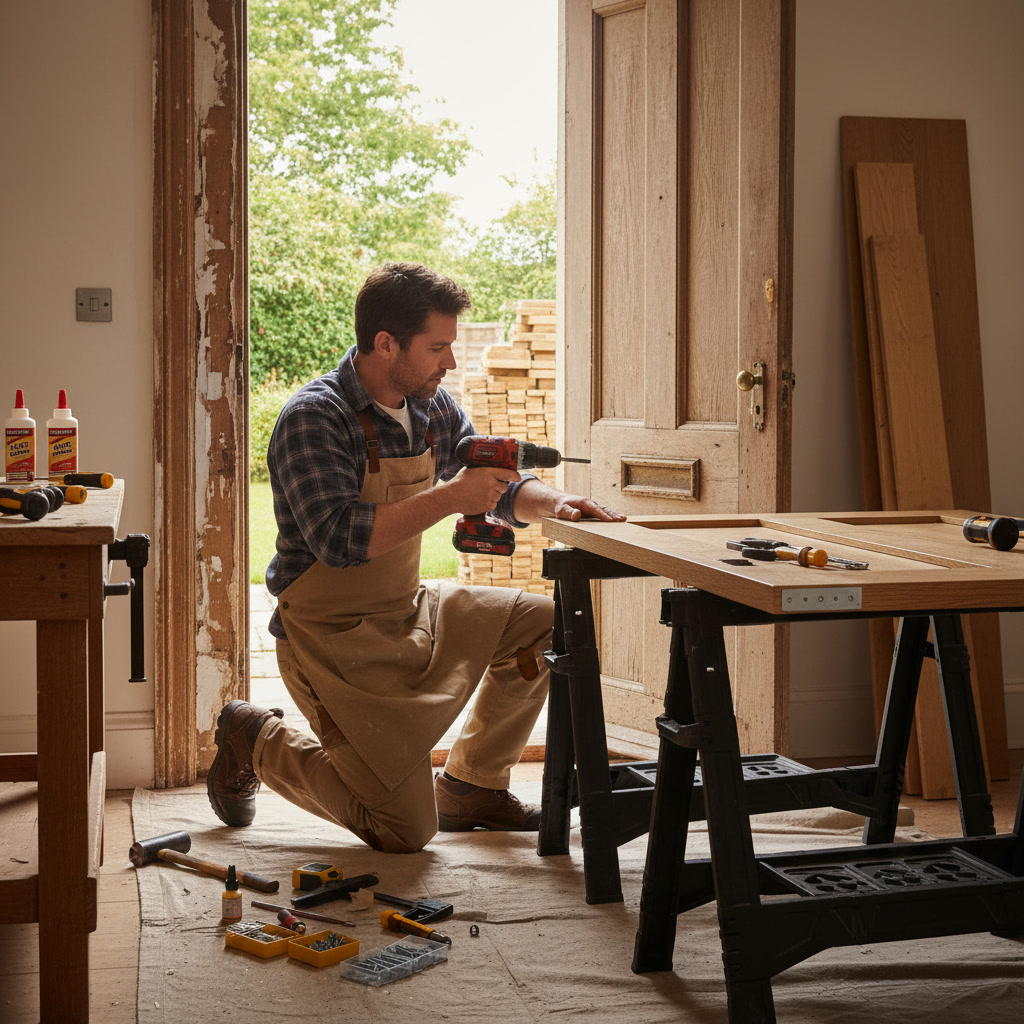
Many door problems are simple enough for a confident homeowner to handle with basic tools and patience. DIY door repair works well for loose hinges, squeaky hardware, minor alignment adjustments, and cosmetic touch-ups. However, structural issues, frame damage, complex hardware installation, and problems that affect home security or energy efficiency typically require professional expertise. Knowing the difference saves you time, prevents costly mistakes, and keeps your home safe and functional.
Why Homeowners Choose to Repair Their Own Doors
Door issues can feel urgent, especially when a latch won’t catch or a door drags across the floor. Tackling the fix yourself offers immediate relief without waiting for an appointment. You save on service fees, work on your own schedule, and gain the satisfaction of solving a problem with your own hands. For straightforward tasks like tightening screws or adjusting strike plates, the repair often takes less than 30 minutes and requires only a screwdriver or drill.
Modern hardware stores stock replacement parts for nearly every door component. You can find hinges, locksets, weatherstripping, and threshold seals designed for quick installation. Online tutorials walk you through each step with photos and videos. This accessibility makes minor repairs feel achievable, even for homeowners with limited experience.
Common Door Problems You Can Usually Handle Yourself
Several door issues fall squarely in the DIY category. A loose hinge typically needs nothing more than tightening the existing screws or replacing them with slightly longer ones if the holes have stripped. If a door squeaks, a few drops of lubricant on the hinge pins often solves the problem in seconds. Sticking doors in humid months sometimes respond to light sanding along the edge that rubs, though you must work carefully to avoid removing too much material.
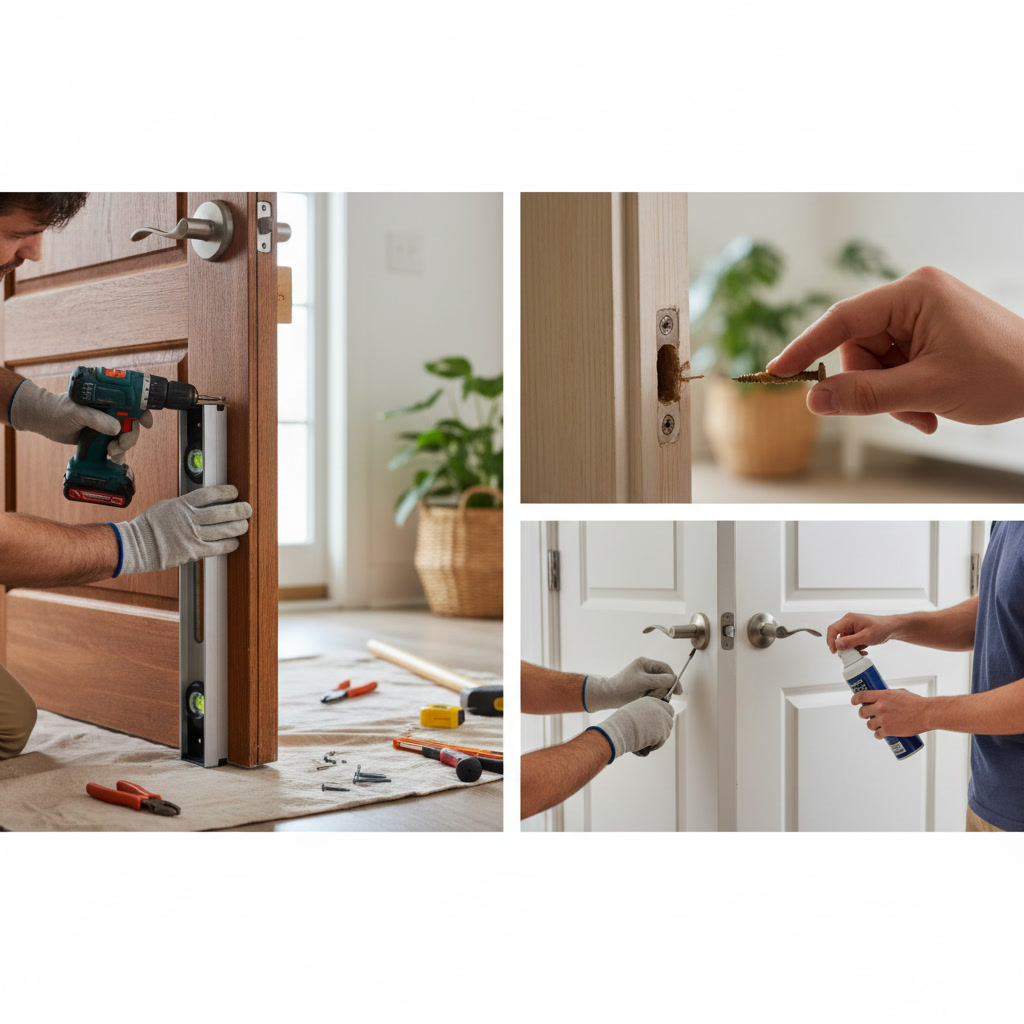
Weatherstripping replacement is another manageable task. Peel off the old material, clean the surface, measure and cut the new strip, then press or nail it into place. This repair improves energy efficiency and costs less than 20 dollars in materials. Adjusting a strike plate requires removing two screws, repositioning the plate up or down to align with the latch, and drilling new pilot holes if necessary.
Tools and Materials for Basic Door Fixes
Most simple repairs need only a Phillips or flathead screwdriver, a hammer, a tape measure, and a level. Keep wood glue and toothpicks on hand for filling stripped screw holes. A small container of penetrating oil or silicone spray handles squeaks and sticky locks. Sandpaper in 80 and 120 grit, a utility knife, and a chisel round out a basic door repair kit that fits in a small toolbox.
If you plan to replace a lockset or handle, you might need a hole saw or spade bit for drilling. Many modern locksets come with paper templates that mark the exact drilling points, reducing the chance of error. A cordless drill speeds up the job, but a manual screwdriver works fine for one or two doors.
When a Door Problem Signals a Bigger Issue
Not every door problem stays at the surface. A door that suddenly won’t close after years of smooth operation might indicate foundation settling, which shifts the frame out of square. Gaps that appear between the door and frame on one side, or a door that scrapes only at the top corner, often point to structural movement rather than simple misalignment. In Alaska’s freeze-thaw cycles, this happens more often than in milder climates.
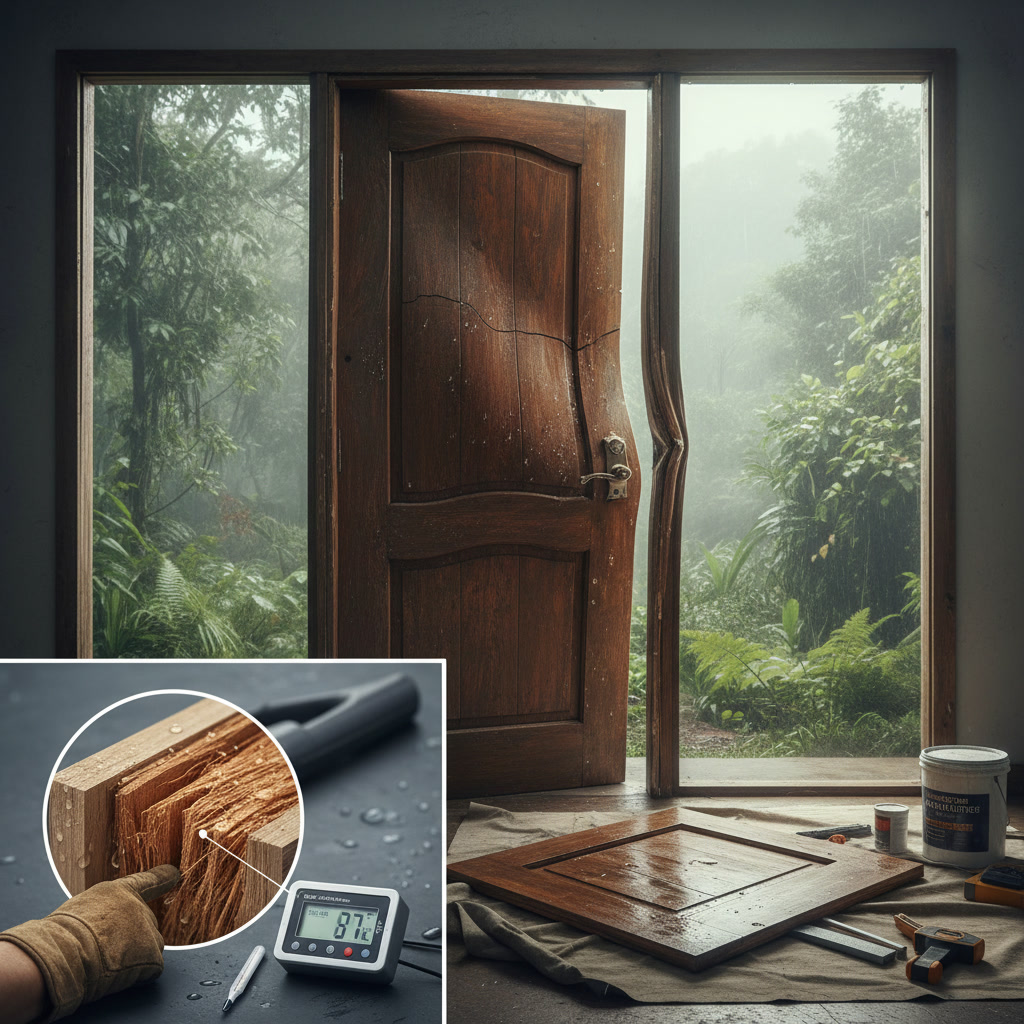
Water stains, soft spots, or visible rot in the door or frame demand immediate attention. Moisture intrusion can spread through framing members and insulation, leading to mold growth and expensive remediation. If you press a screwdriver into the wood and it sinks easily, the damage extends beyond a cosmetic fix. These situations require professional assessment and repair to protect your home’s integrity.
Structural Repairs Best Left to Professionals in Anchorage
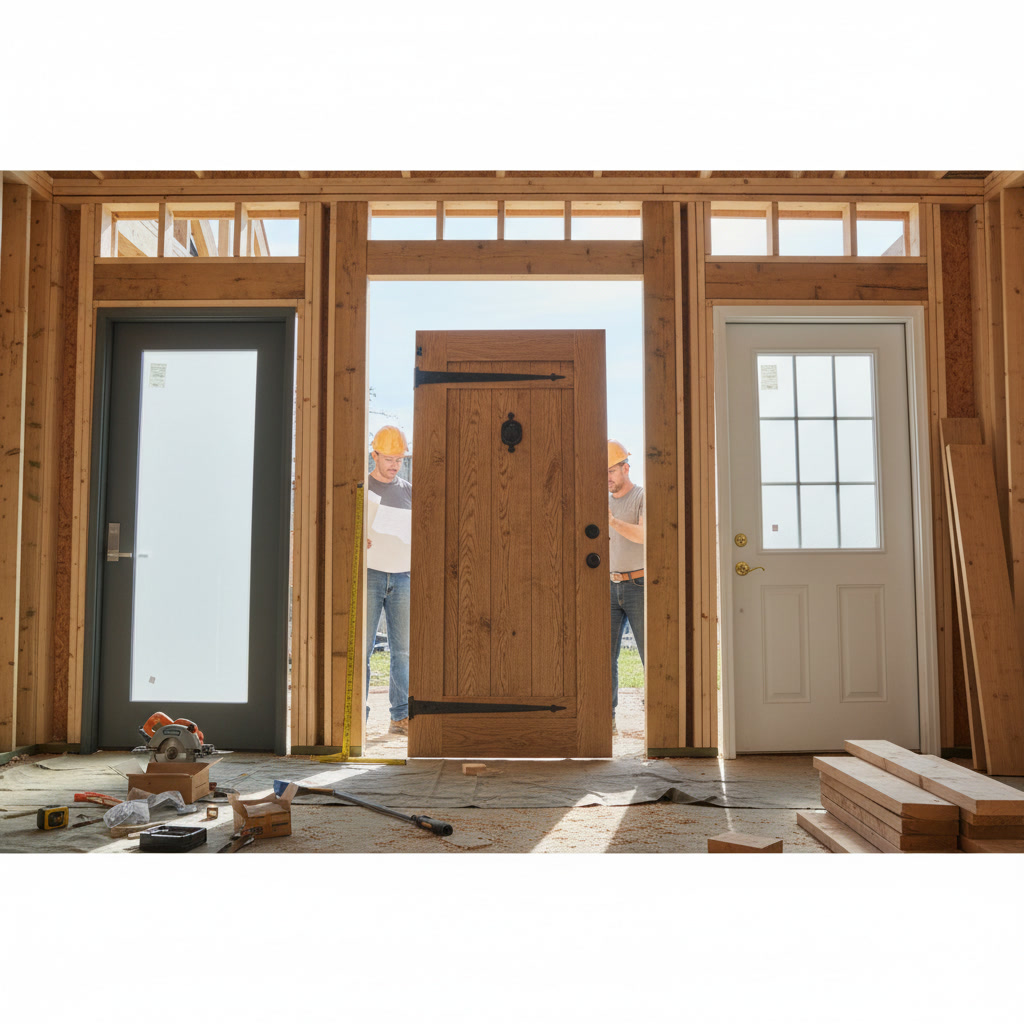
Replacing a door frame, shimming a badly out-of-plumb jamb, or repairing a threshold that has cracked and separated from the subfloor all involve precision carpentry. Professionals use laser levels, pneumatic nailers, and experience with local building codes to ensure the door operates smoothly and meets energy standards. A poorly installed frame can leak air, allow water infiltration, and create security vulnerabilities that cost far more to fix later.
Exterior door replacement also involves flashing, caulking, and insulation techniques that vary by door type and wall construction. An improperly sealed door loses heated air in winter, driving up energy bills and straining your furnace. In Anchorage, where winter temperatures regularly drop below zero, even a small gap around a door frame can freeze pipes or create uncomfortable drafts.
Security Hardware and Lock Installation
Installing a new deadbolt or upgrading to a smart lock requires precise drilling and alignment. If the bolt hole in the door and the strike hole in the frame don’t line up perfectly, the lock binds, wears out quickly, or fails to secure your home. Many homeowners drill the holes slightly off-center, leaving visible mistakes and compromising the door’s strength.
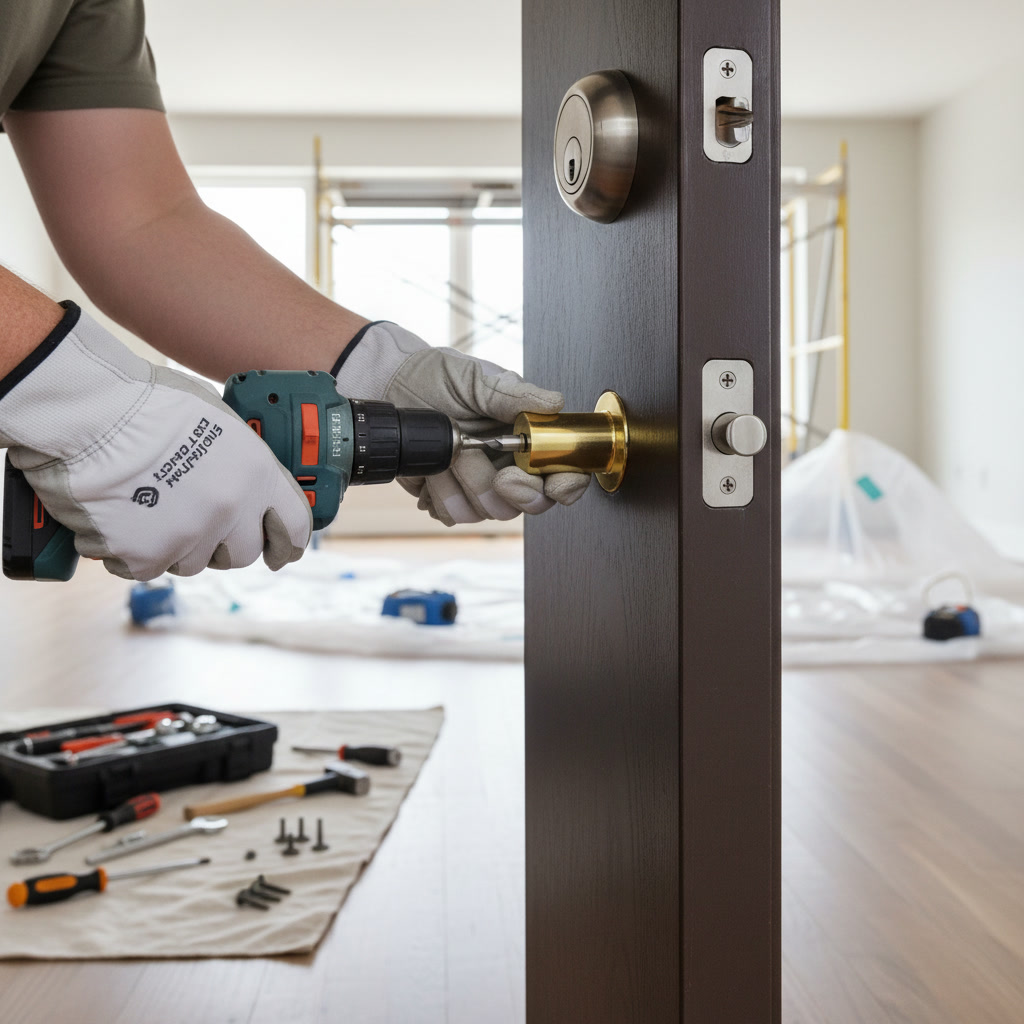
High-security locks and commercial-grade hardware often need reinforcement plates, longer screws, and specific backset measurements. A professional knows which products meet insurance requirements and local codes, and they carry the tools to install them correctly the first time. For detailed guidance on recognizing when your door’s security has been compromised, review the signs that indicate your exterior door may need repair or replacement.
When to Call a Pro: Five Clear Indicators
First, if the repair involves cutting into the door or frame, reconsider doing it yourself. Mistakes in mortising hinges or chiseling out lock pockets are difficult and expensive to reverse. Second, any issue related to the door’s structural support, including sagging headers or cracked framing, needs a contractor’s expertise. Third, if you have already attempted a repair and the problem persists or worsens, stop and get help before causing further damage.
Fourth, exterior doors in harsh climates require specialized knowledge of insulation, vapor barriers, and flashing details that differ from interior installations. Fifth, if the door serves as a fire-rated barrier or an egress point required by code, professional installation ensures compliance and safety. Building inspectors can flag improper installations, creating headaches during a home sale or insurance claim.
Cost Comparison: DIY Repairs vs. Hiring a Specialist
A tube of wood filler, new hinges, and weatherstripping might total 30 dollars, while a service call starts around 100 to 150 dollars. For a quick fix like tightening screws or lubricating hinges, DIY makes financial sense. However, a botched frame repair can cost 500 dollars or more to correct, far exceeding the price of hiring a skilled technician from the start.
Time is another factor. A professional completes a hinge replacement or lock installation in 30 to 45 minutes, while a first-time DIYer might spend three hours troubleshooting and making adjustments. If your schedule is tight or the door problem affects daily life, paying for speed and certainty often delivers better value than saving a few dollars. To understand pricing for larger projects, read about what door installation typically costs in Alaska.
How to Measure and Order Replacement Parts
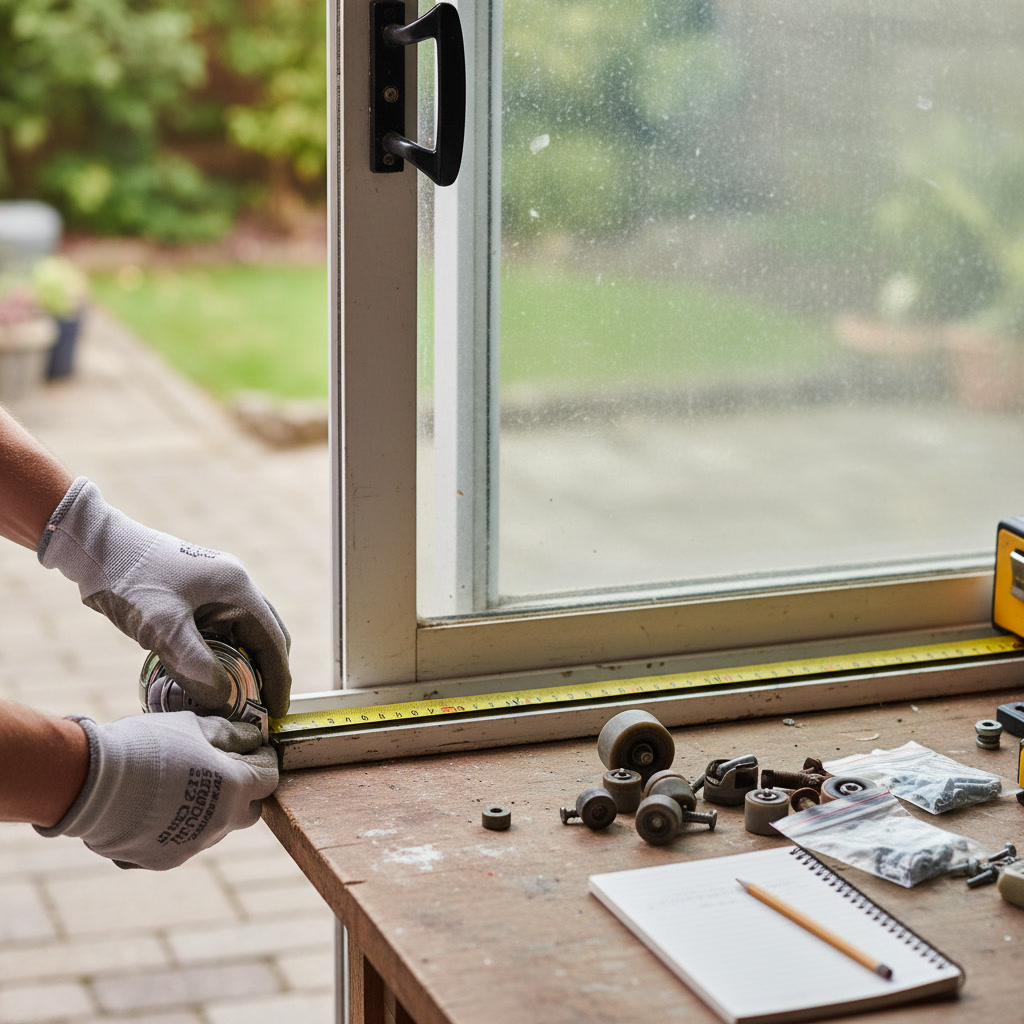
Accurate measurements prevent wasted trips to the hardware store and ensure parts fit correctly. For hinges, note the height, width, and corner radius, which is usually a quarter inch or five-eighths inch. Count the number of holes in each hinge leaf and check whether they are slotted or round. For locksets, measure the backset, which is the distance from the door edge to the center of the knob hole, typically two and three-eighths inches or two and three-quarters inches.
Bring the old part to the store if possible, or take clear photos showing all sides and any manufacturer stamps. Employees can match the style and finish, saving you from ordering the wrong size online. If you need to replace an entire door, follow a detailed process for measuring your doorway for a new door replacement to ensure a proper fit.
Maintaining Your Doors to Avoid Future Repairs
Preventive care keeps doors operating smoothly and reduces the need for emergency fixes. Wipe down weatherstripping twice a year and replace it at the first sign of cracking or compression. Tighten hinge screws annually, especially on heavy exterior doors that see frequent use. Lubricate locks, hinges, and sliding hardware every six months with a dry lubricant or silicone spray, avoiding oil-based products that attract dust.
Inspect door frames for gaps, cracks, or peeling paint each spring. Touch up paint promptly to seal wood against moisture. Check that door sweeps make full contact with the threshold and adjust or replace them if light shows underneath. These small tasks take less than an hour per door and extend the life of your hardware by years. For comprehensive upkeep across your entire home, explore home maintenance and repair services that cover all the details.
Making the Smart Choice for Your Home
DIY door repair gives you control over small fixes and builds useful skills for future projects. Simple adjustments, minor hardware swaps, and cosmetic touch-ups rarely require professional help. However, structural issues, precision installations, and repairs that affect safety or energy efficiency benefit from experienced hands and specialized tools. Knowing your limits protects your investment and ensures the job gets done right.
Evaluate each problem honestly. If the fix feels beyond your comfort zone or the door is critical to security and weatherproofing, calling a specialist saves time and prevents expensive mistakes. TC Home Services has helped countless homeowners across the region with everything from quick adjustments to full door installation and repair projects.
Whether you need a second opinion on a stubborn door issue or a complete replacement, our team brings the tools and expertise to deliver reliable results. Reach out to TC Home Services at (907) 720-2662 and let us help you keep your home secure, comfortable, and looking its best.